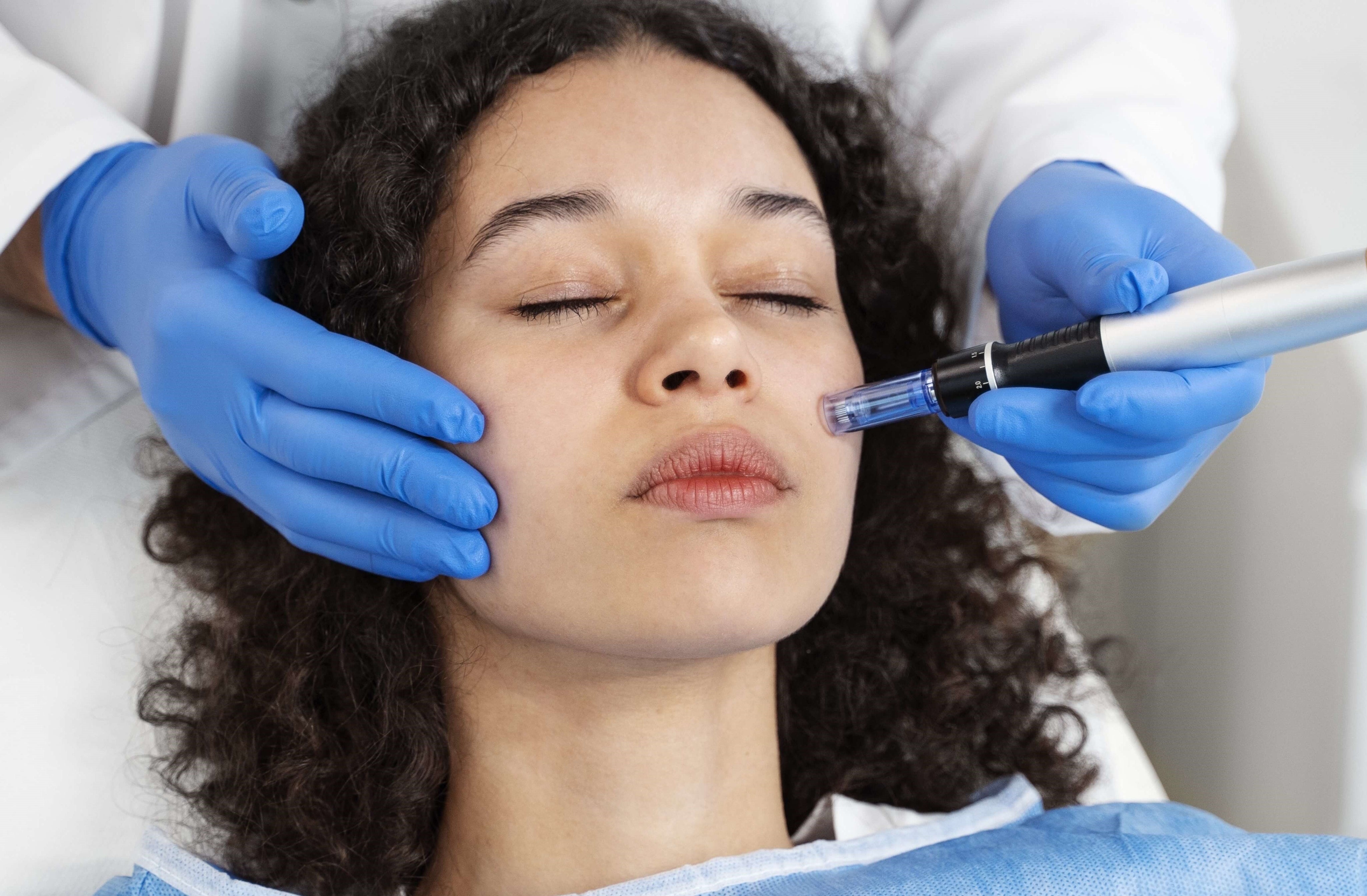
Microneedling Results: How Soon Can You Expect to See Changes?
Microneedling usually takes 30-60 minutes per session. Learn more about microneedling and ideal session frequency for optimal outcomes in this blog.
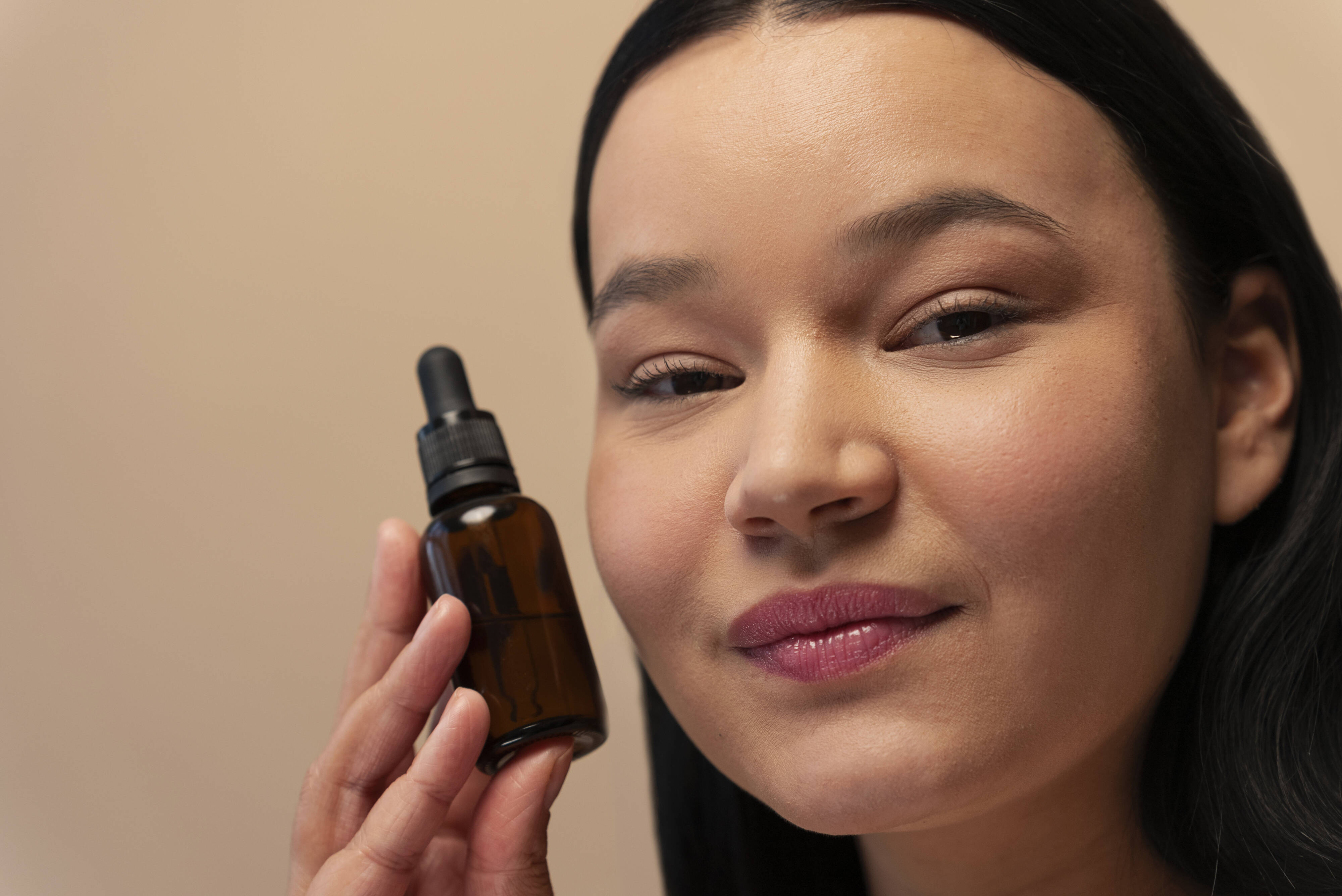
Retinol is highly effective—but not always well-tolerated.
Alternatives like bakuchiol and peptides offer similar benefits with fewer side effects.
Ideal for sensitive skin, pregnancy-safe routines, and everyday use.
Backed by dermatologists and emerging clinical research.
Retinol is a derivative of vitamin A celebrated for its ability to boost cell turnover, fade hyperpigmentation, smooth fine lines, and support collagen production. It's often considered a gold-standard anti-aging ingredient. But while retinol is effective, it can cause irritation, flaking, redness, and sun sensitivity—especially for beginners or those with sensitive skin.

A strong retinol substitute should:
Many people experience irritation with retinoids. Good alternatives are soothing and barrier-supportive, making them ideal for reactive or dry skin types.
Like retinol, effective alternatives should help your skin shed dead cells more efficiently, resulting in smoother, brighter skin.
Hyperpigmentation and fine lines are common concerns. Substitutes should target both, supporting a more even, youthful complexion.
Collagen keeps skin plump and elastic. Many retinol alternatives work indirectly to promote collagen synthesis.
Consistency is key in skincare. The best alternatives can be used regularly—even during the day or alongside other actives.
A plant-based compound derived from the babchi plant, bakuchiol mimics the effects of retinol without the common side effects. It's safe during pregnancy, doesn't cause peeling or redness, and is well-tolerated even by sensitive skin. Bonus: it has antioxidant and anti-inflammatory properties. If you're curious about its results, you’ll love Biopelle KNR Serum—a gentle but effective formulation packed with bakuchiol.

Peptides are short chains of amino acids that act as messengers, signaling your skin to produce more collagen and elastin—key proteins that keep your skin firm, smooth, and resilient. Regular use can help reduce fine lines, improve elasticity, and reinforce the skin barrier. Unlike retinol, peptides are gentle, non-irritating, and compatible with most skin types and active ingredients.
For a powerful peptide-infused option, Emepelle Night Cream goes a step further. It not only delivers a rich blend of peptides but also features MEP Technology®, which specifically supports estrogen-deficient skin—making it an ideal choice for perimenopausal and menopausal skin. This cream hydrates deeply, firms visibly, and rejuvenates skin overnight.

Niacinamide (vitamin B3) is a multitasking wonder. It improves tone and texture, reduces the appearance of pores, and strengthens the barrier. It's especially good for those with rosacea or acne. Check out the Propaira Probiotic Cream to harness the benefits of niacinamide and probiotics in one calming, barrier-friendly formula.

Naturally found in grains, azelaic acid is anti-inflammatory, antibacterial, and brightening. It treats acne, rosacea, and pigmentation—making it a great all-rounder if you're looking for a multitasking alternative to retinol. A great place to start? Dermaceutic Dual+ —a clinically formulated option that pairs azelaic acid with other active ingredients to reduce redness, refine texture, and support a clearer, more even complexion.

This botanical ingredient helps fade hyperpigmentation and soothes inflammation. It's ideal for calming sensitive skin while promoting brightness and even tone.A great option that harnesses the power of licorice extract is Dermaceutic Mela Cream. Formulated to visibly reduce dark spots and uneven pigmentation, it combines licorice with other brightening agents to target discoloration while remaining gentle on the skin.
Squalane is a lightweight, non-comedogenic oil that mimics your skin’s natural sebum, making it ideal for restoring moisture without clogging pores. It helps maintain skin barrier function, reduces inflammation, and can support smoother, softer skin—all without the irritation often associated with retinol.
If you're looking for a squalane-rich formula that also calms and nourishes, Tensage Soothing Cream Moisturizer is a standout. It blends squalane with growth factors and antioxidants to hydrate, soothe, and support skin repair—perfect for dry, sensitive, or compromised skin types.

Tensage Soothing Cream Moisturizer
Rich in omega fatty acids, sea buckthorn oil strengthens the skin barrier and helps with regeneration. It’s an excellent emollient and antioxidant, often found in natural or organic skincare.
Navigating the world of retinol alternatives can feel overwhelming—especially if you’re dealing with specific skin concerns like sensitivity, breakouts, or signs of aging. That’s where a personalised consultation makes all the difference. At Skin to Heart, we help you cut through the noise and find ingredients and treatments that work for your unique skin.
Whether you're interested in natural options like bakuchiol or in-clinic solutions such as our professional treatments for aging, we’ll tailor your plan based on your skin’s needs, goals, and tolerances. Our expert-led Tightening Package—which includes Laser Genesis and Cosmo Peel—is just one of the ways we combine advanced technology with thoughtful care.
Not sure where to start? Book a one-on-one consultation and get expert guidance toward your healthiest skin yet.
It depends on your needs—bakuchiol serums are great retinol alternatives, while serums with peptides or niacinamide offer firming and soothing benefits. If you're looking for a clinically-backed solution, try Dermaceutic Regen Ceutic—a powerful blend of peptides, antioxidants, and growth factors.
Most people tolerate it well, but in rare cases, it may cause mild flushing or tingling. Start with lower concentrations if you're new to it.
Aloe vera is soothing and hydrating, but it doesn’t promote cell turnover or collagen synthesis the way retinol does. It’s best used to calm the skin alongside other actives.
It’s generally well tolerated, but results may be slower compared to retinol. Some users with oily skin might also find it too rich in certain formulations.
Look for retinol concentrations around 0.1% to 0.3%, or try encapsulated forms. But if you're worried about irritation, consider starting with alternatives like bakuchiol.
They can be—but often with slower results. Still, they're ideal for long-term use and layering with other ingredients without irritation.
Yes! Options like bakuchiol, peptides, and squalane are considered safe and effective during pregnancy.
Absolutely. Niacinamide, azelaic acid, and bakuchiol all have anti-inflammatory and antibacterial properties that make them effective for managing breakouts.
0 comments